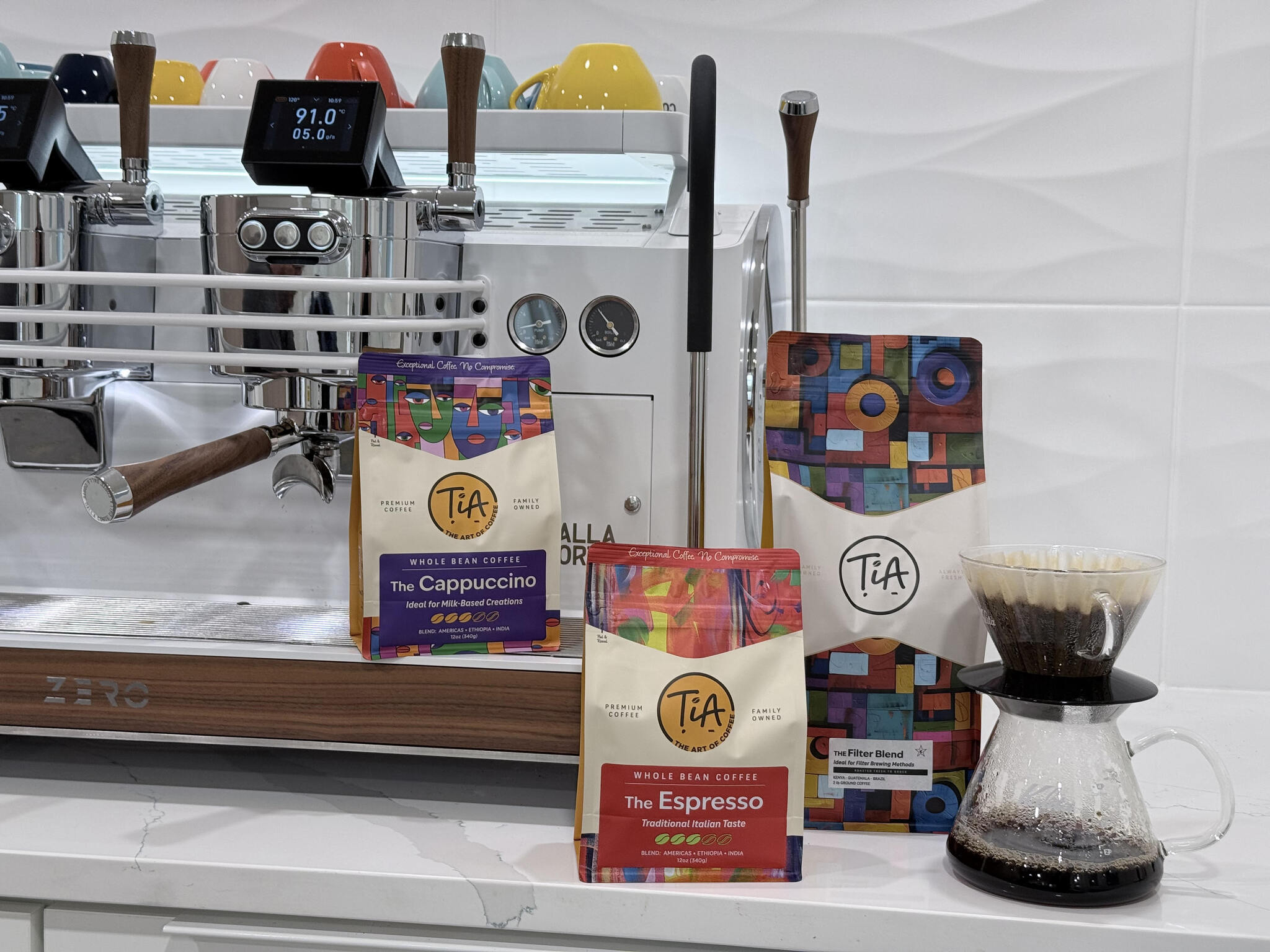
OUR BEANS
Sourced Carefully. Roasted Slowly. Blended for How You Brew.
Every TiA blend comes down to three decisions: where the beans come from, which origins belong together, and how long they spend in the roaster. Get those three right and the cup takes care of itself.
Smooth. Balanced. Never bitter or sour.
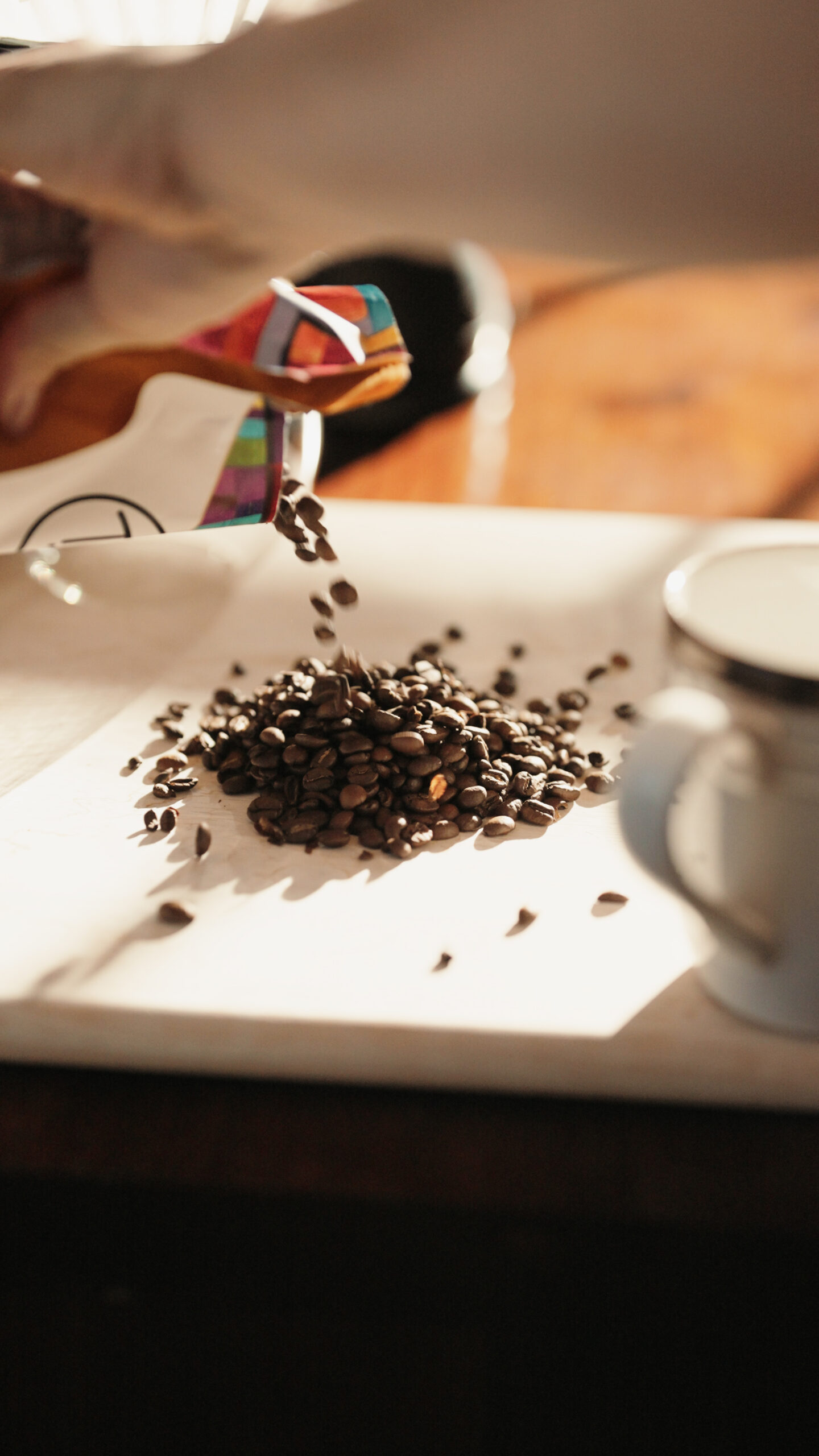
Three Pillars
01
Sourced carefully
We buy from named regions through a small circle of suppliers we know and keep. The same farms and collectives, season after season, so the coffee you liked last spring still tastes like itself this fall.
02
A slower roast
We roast in small batches and take our time. A slow roast develops the sugars fully and protects the oils that carry aroma and body. Nothing gets rushed, and nothing gets scorched.
03
Blended for
your brewer
What makes a great espresso is not what makes a great filter cup. Each blend is built backwards from the machine it is made in, so the beans and the brewing method are working together instead of against each other.
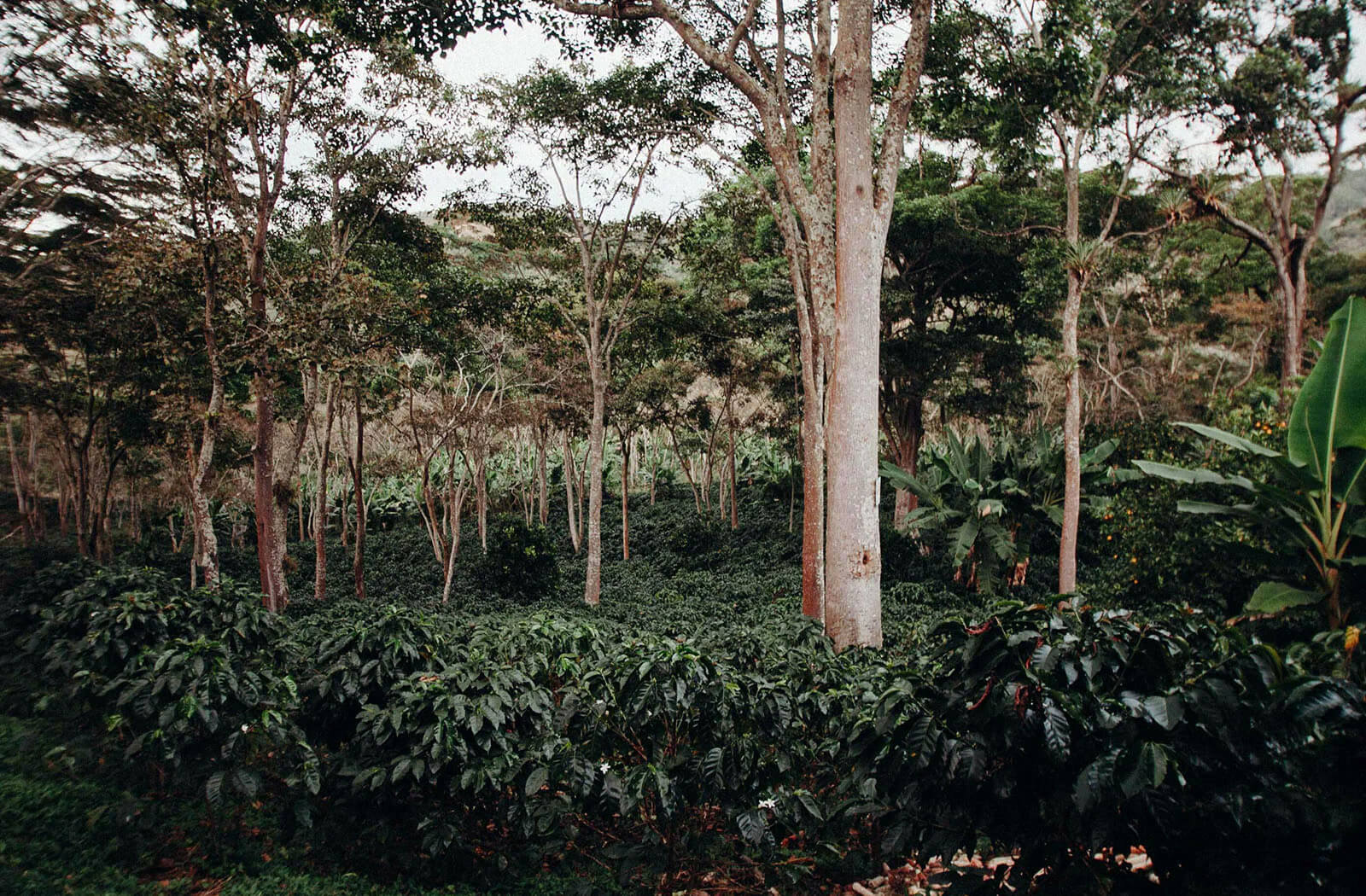
SOURCING
It Starts Long Before the Roaster
A roaster can develop good coffee. It cannot create it. Whatever is missing in the green bean is still missing in the cup, so the work starts when we buy our green beans.
We buy Arabica from high-altitude farms in Central and South America, East Africa, and Southeast Asia, and a small amount of carefully chosen Robusta from Southern India for the blends that need body and crema. We work through importers with long-standing relationships with the farms and collectives that grow for us, and we buy the same regions and lots year after year rather than chasing whatever is new and cheap.
Every arrival gets tested and cupped before it goes anywhere near a production roast. If a lot is not what we expected, it does not go into a blend. This is how we keep our promise for quality and consistency cup after cup.
ORIGINS
Where Our Beans Come From
Each origin is in our blends for a reason. Here is what each one is doing.
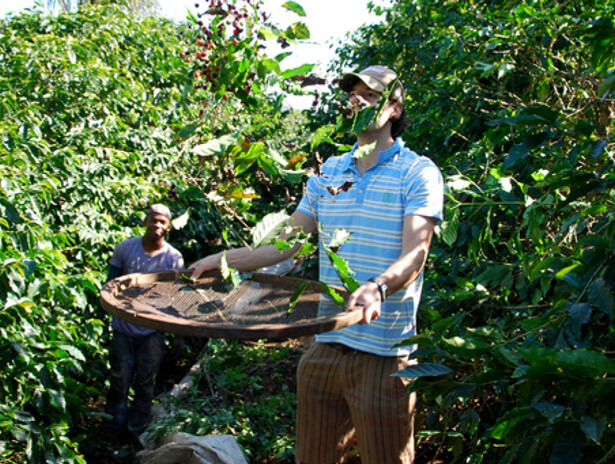
Brazil
REGION
Sul de Minas
Smooth nutty sweetness and gentle body. The backbone of our chocolate-forward blends.
Colombia
REGION
Huila
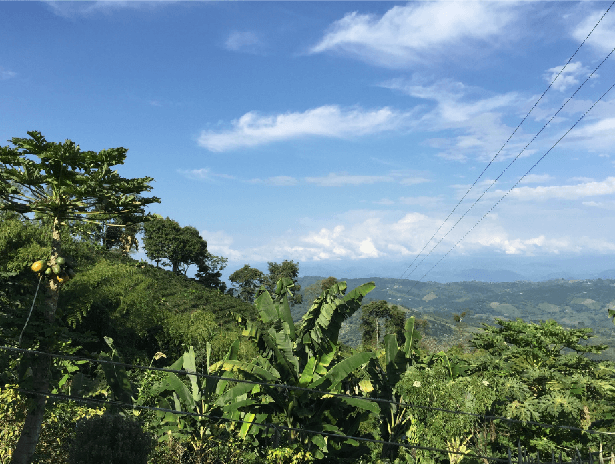
Clean sweetness, soft citrus, a rounded finish that holds up in milk.
Costa Rica
REGION
Tarrazu
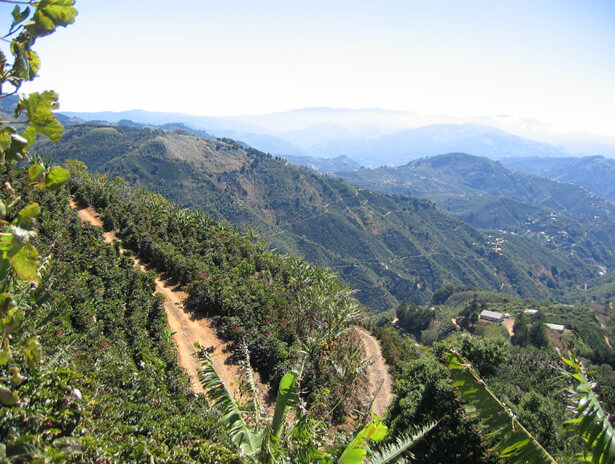
High altitude and volcanic soil. Crisp, clean, quietly bright.
Ethiopia
REGION
Sidamo
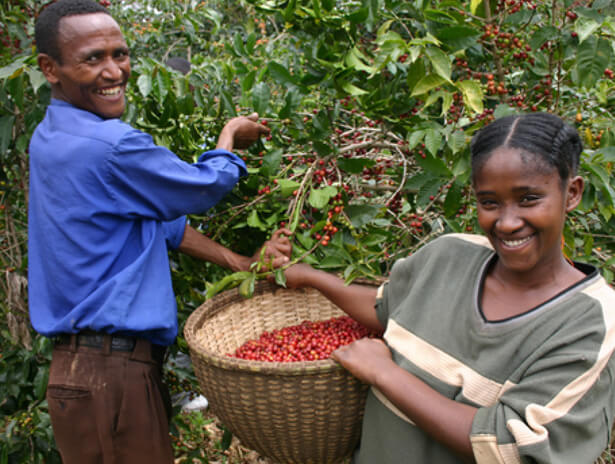
Floral aroma and delicate fruit. The lift at the top of a filter cup.
Guatemala
REGION
Huehuetenango
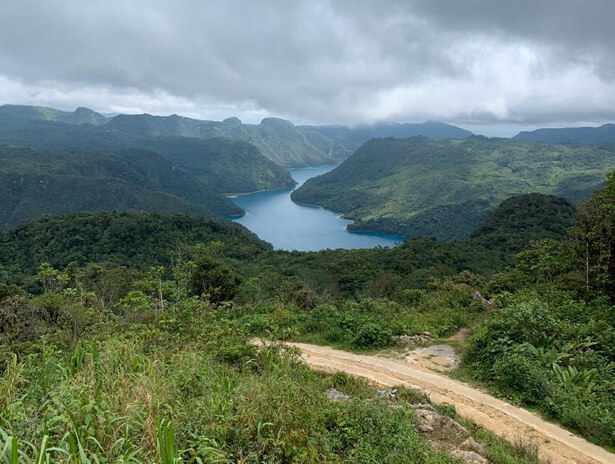
Cocoa and dark berry, with real depth behind it.
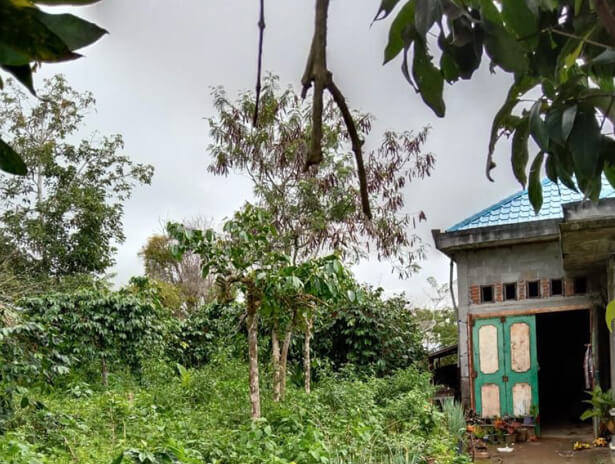
Indonesia
REGION
Sul de Minas
Earthy and full bodied with very low acidity.
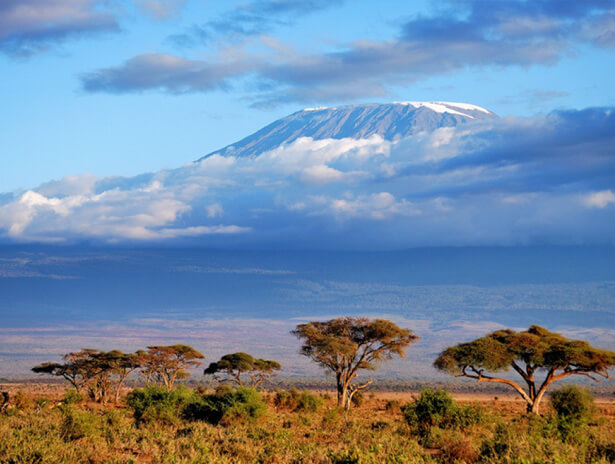
Kenya
REGION
Various
Juicy sweetness with black currant. Used sparingly, felt clearly.
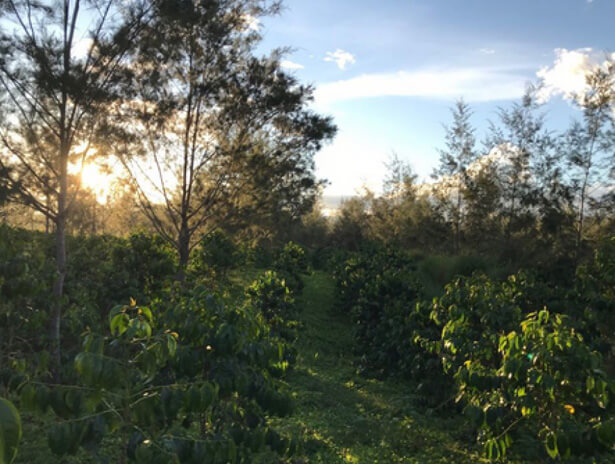
Papua New Guinea
REGION
Waghi Valley, Western Highlands
Balanced and mellow, with soft fruit and a clean finish.
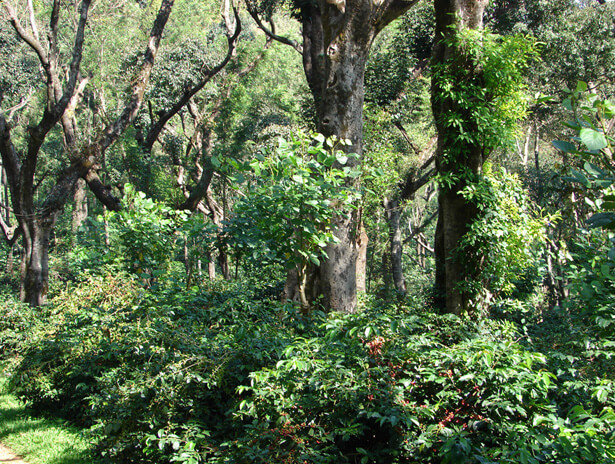
India
REGION
Southern India (Robusta)
Body, thick crema, and a nutty nougat note. What gives espresso its weight.
Decaf
REGION
Brazil, and a blend from Africa, Indonesia and Central America
Swiss Water® Process. Caffeine removed with water, never chemical solvents. Full flavor without the buzz.
We also rotate a single origin through the shop for anyone who wants to taste one of these on its own, without a blend around it. What is in rotation changes through the year.
BLENDING
Built for the Way
You Brew
This is the part that takes experience. Our team brings more than 25 years of blending experience, and the craft is in knowing what each origin will do once it meets the others and meets your machine.
An espresso needs body, sweetness that survives nine bars of pressure, and enough Robusta to build a thick crema. A filter cup needs the opposite: clarity, aroma, and room for the fruit and floral notes to be heard. Turkish coffee needs intensity that holds up at an ultra-fine grind. The same beans in the same proportions cannot do all three.
So we build each blend backwards from the brewing method. Brazilian sweetness for the base, Guatemalan cocoa for depth, a measure of African brightness on top, Indian Robusta where crema matters. We taste, adjust, and lock the recipe. Then we roast it the same way every time.
That is why our coffee is organized by brewing method rather than by country.
Here is why it works:
ROASTING
Why We Roast Slowly
Did you know that bitter or sour coffee is mostly the result of the roasting technique? Push a roast too far and you get carbon and bitterness. Pull it too early and the sugars never develop, which is where that thin, sour, under-baked taste comes from. Both are avoidable.
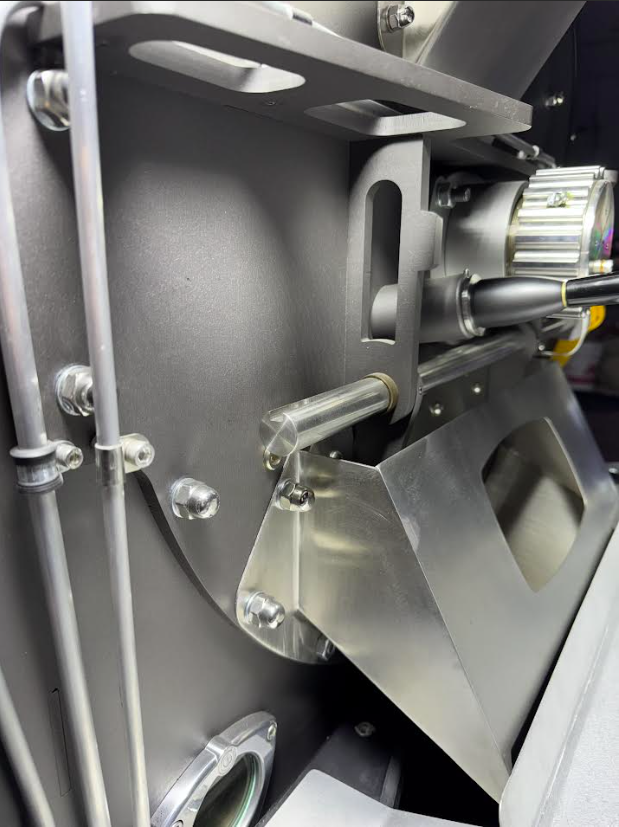
We roast in small batches at our facility in Honeoye Falls, New York, and every blend has its own roasting profile that we hold to. A slower approach through the middle of the roast gives the sugars time to caramelize and keeps the aromatic oils intact instead of burning them off. The result is a cup with sweetness and body rather than sharp edges.
Some people are surprised by this at first. If you have been drinking very dark roasted coffee for years, smooth can read as mild for a week or so. But then your palate starts noticing the symphony of flavor notes, and there is no going back to bitter dark roast. In fact, many of our customers stopped using sugar or milk in their coffee because there is no harshness to cover.
Every bag is then roasted, within hours of shipping, so it reaches you at the optimal time for brewing.
Find the blend built for your brewer
Tell us how you make coffee at home and we will point you to the right bag. It takes about thirty seconds.